2024 ഒക്‌ടോബർ 29, ചൊവ്വാഴ്ച

Karnataka Sessions Court Convict-2014 Dalit Atrocity Case

A sessions court in Koppal district of Karnataka on Thursday convicted 101 persons in a decade old case of atrocity against members of the Scheduled Caste community at Marakumbi village.

Special Judge C Chandra Sekhar observed,

“ To show mercy in a case like this would be travesty of justice. Considering the fact that the injured victims, male and female, belong to Scheduled Caste and that accused have violated the modesty of women folk, assaulted the victims with sticks, stones and brick pieces causing injuries, I am of the opinion that the Accused deserve to be sentenced for more period than the prescribed minimum period of punishment.

The Court sentenced 98 of them to life imprisonment under Section 3(2)(iv) of the Scheduled Caste and Scheduled Tribe (Prevention of Atrocities) Act. The remaining accused were sentenced to five years of rigorous imprisonment.

As per FIR lodged in August 2014, the accused suspected that the assault on them while purchasing cinema tickets was at the instance of complainant who belongs to the Scheduled Caste community of Madigas. Consequently, accused entered the colony of Madigas community, abused and assaulted the community members and lit fire to their houses.

Total 117 people were charged in the case. They were booked under Section 3(1)(x) of the SC/ST which deals with intentional insult or intimidation to people belonging to SC/ST community. It is an aggravated form of offence compared to Section 504 and 506 of IPC. They were also booked under Section 3(1)(xi) Act which deals with assault of any woman belonging to SC/ST with intent to outrage her modesty. It is an aggravated form of offence under Section 354 of IPC. They were also charged under Section 3(2)(iv) which deals with committing mischief by fire to destroy place of human dwelling belonging to SC/ST. This is also an aggravated form of offence punishable under Section 436 of IPC.

11 accused died during pendency of the case. Two accused were juveniles so their cases were referred to the Juvenile Justice Board.

The court began its order by quoting African-American singer Marian Anderson, “No matter how big a Nation is, it is no stronger than its weakest people, and as long as you keep a person down, some part of you has to be down there to hold him down, so it means you cannot soar as you might otherwise.

It recorded the statement of witnesses- mostly injured, children and women and noted that despite almost three years gap in examination, their evidence was consistent and corroborated by the other evidence on record. It said, “Barring three injured witnesses not supporting the case of the prosecution, all other 35 witnesses have supported the case of the prosecution. No arguments are canvassed that the witnesses were tutored. All of them have narrated their horrifying experience on the day of incident, though not in uniformity, yet consistently.

Court also referred to evidence of independent panch witnesses, the Doctors who examined the witnesses and the police officers and said, “It corroborates the atrocities inflicted on the people of SC Colony in Marakumbi village. There is nothing brought on record by the Defence to disbelieve or discard evidence of the above witnesses.

The accused on being convicted, pleaded that not all of them had set fire to the huts. They also urged the court to consider their humble background, as some of them were agriculturists, coolies and daily wage earners.

However, the Court said, “Considering the facts and circumstances of this case, I do not find any extenuating or mitigating circumstances available on the record, which justify for showing any lenience.

It cited Manjula Devi v. Onkarjit Singh Ahluwalia @ Omkarjeet Singh and Others (2017) where the Supreme Court had observed that despite various measures to improve the socio-economic conditions of the Scheduled Castes and the Scheduled Tribes, they remain vulnerable and are denied their rights and further are subjected to various offences, indignities, humiliations and harassment.

Case Title: State of Karnataka v. Manjunath & Others

Case No: S.C. (A.C.) No.12/2015

2024 ഒക്‌ടോബർ 21, തിങ്കളാഴ്‌ച

സ്‌കൂളുകളിലെ കളിസ്ഥലത്തിൻ്റെ പ്രാധാന്യത്തെക്കുറിച്ച്


സ്‌കൂളുകളിലെ കളിസ്ഥലത്തിൻ്റെ പ്രാധാന്യത്തെക്കുറിച്ച് കേരള വിദ്യാഭ്യാസ ചട്ടങ്ങൾക്ക് അനുസൃതമായി മാർഗനിർദേശങ്ങൾ രൂപീകരിക്കാൻ കേരള ഹൈക്കോടതി സംസ്ഥാനത്തിന് നിർദ്ദേശം നൽകി.

 എഡിറ്റർ_4

കേരള ഹൈക്കോടതി

കേരള ഹൈക്കോടതി: ഗവൺമെൻ്റ് വെൽഫെയർ ലോവർ പ്രൈമറി സ്‌കൂളിനെതിരെ പേരൻ്റ് ടീച്ചേഴ്‌സ് അസോസിയേഷൻ പ്രസിഡൻ്റും ഗവൺമെൻ്റ് വെൽഫെയർ ലോവർ പ്രൈമറി സ്‌കൂൾ മാനേജിംഗ് കമ്മിറ്റി അംഗവും ('ഹരജിക്കാർ') പി.വി.കുഞ്ഞികൃഷ്ണൻ സമർപ്പിച്ച റിട്ട് ഹർജിയിൽ, ('പ്രതികൾ'), വിദ്യാഭ്യാസത്തിനുള്ള അവകാശം കുട്ടികളുടെ മൗലികാവകാശമാണെന്നും അതിൽ കളിയും മറ്റ് പാഠ്യേതര പ്രവർത്തനങ്ങളും ഉൾപ്പെടുന്നുവെന്നും ജെ . കേരള വിദ്യാഭ്യാസ ചട്ടങ്ങളിലെ ('കെഇആർ') ചാപ്റ്റർ IV ചട്ടം 3(2) അനുസരിച്ച് ചാപ്റ്റർ IV റൂൾ 1-ൽ പരാമർശിച്ചിരിക്കുന്ന ഓരോ വിഭാഗത്തിലുള്ള സ്‌കൂളുകളിലും ആവശ്യമായ കളിസ്ഥലത്തിൻ്റെ വ്യാപ്തി സംബന്ധിച്ച് മാർഗനിർദ്ദേശങ്ങൾ രൂപീകരിക്കാൻ കോടതി സംസ്ഥാനത്തിന് നിർദ്ദേശങ്ങൾ നൽകി. സ്കൂൾ കളിക്കളത്തിൽ ആവശ്യമായ സൗകര്യങ്ങൾ.

പശ്ചാത്തലം

സ്‌കൂൾ അധികൃതരുടെയോ ഉന്നത അധികൃതരുടെയോ അനുമതിയില്ലാതെ സ്‌കൂൾ ഗ്രൗണ്ടിൽ ജലസംഭരണി നിർമിക്കാൻ ജില്ലാ പഞ്ചായത്തും ഗ്രാമപഞ്ചായത്തും ശ്രമം നടത്തിയപ്പോഴാണ് ഹരജിക്കാരൻ ഇപ്പോഴത്തെ റിട്ട് ഹർജി നൽകിയത്.എന്നാൽ കേസ് കോടതിയിൽ എത്തിയപ്പോഴേക്കും നിർമ്മാണ നിർദ്ദേശം ഉപേക്ഷിച്ചു, ഹർജിക്കാരൻ്റെ പ്രാർത്ഥനകൾ നിഷ്ഫലമായി. എന്നിരുന്നാലും, സ്കൂളുകളിലെ കളിസ്ഥലങ്ങളുടെ പ്രാധാന്യത്തെക്കുറിച്ചുള്ള വിശാലമായ പ്രശ്നം പരിഹരിക്കാനുള്ള അവസരം കോടതി മുതലെടുത്തു.

വിശകലനം:

വിദ്യാഭ്യാസ സ്ഥാപനങ്ങളിലെ കളിസ്ഥലങ്ങളുടെ പ്രാധാന്യത്തെക്കുറിച്ച് കോടതി ചർച്ച ചെയ്തു, അവ പഠന പ്രക്രിയയിൽ അവിഭാജ്യമാണെന്ന് ഊന്നിപ്പറയുന്നു. എല്ലാ സ്‌കൂളുകളിലും മതിയായ വ്യക്തതയുള്ള കളികൾക്കും സ്‌പോർട്‌സിനും അനുയോജ്യമായ കളിസ്ഥലങ്ങൾ ഉണ്ടായിരിക്കണമെന്ന് നിർബന്ധിക്കുന്ന KER-ൻ്റെ ചാപ്റ്റർ IV റൂൾ 3(2) കോടതി പരാമർശിച്ചു. കോടതി പറഞ്ഞു, “ ഒരു സ്കൂളിലെ കളിസ്ഥലം സ്കൂളിൻ്റെ ഭാഗവും പാർസലും ആണ്. കളിസ്ഥലം ഇല്ലെങ്കിൽ ഒരു സ്കൂളും ഉണ്ടാകില്ല .

വിവിധ വിഭാഗങ്ങളിലെ സ്‌കൂളുകൾക്ക് ആവശ്യമായ കളിസ്ഥലത്തിൻ്റെ വ്യാപ്തി വ്യക്തമാക്കുന്നതിൽ പരാജയപ്പെട്ടതിനാൽ നിലവിലുള്ള ചട്ടങ്ങളിൽ പോരായ്മ ഉണ്ടെന്ന് കോടതി ചൂണ്ടിക്കാട്ടി. സിബിഎസ്ഇ, സിഐഎസ്‌സിഇ അഫിലിയേഷൻ മാനദണ്ഡങ്ങൾ കളിസ്ഥല സൗകര്യങ്ങൾ സംബന്ധിച്ച് വ്യക്തമായ മാർഗനിർദേശങ്ങൾ നൽകുന്നുണ്ടെങ്കിലും കെഇആറിന് അത്തരം പ്രത്യേകതകൾ ഇല്ലെന്ന് കോടതി അഭിപ്രായപ്പെട്ടു.

സൗജന്യവും നിർബന്ധിതവുമായ വിദ്യാഭ്യാസത്തിനുള്ള കുട്ടികളുടെ അവകാശ നിയമത്തിലും ('വിദ്യാഭ്യാസ അവകാശ നിയമം') കളിസ്ഥലത്തിന് ആവശ്യമായ സ്ഥലം വ്യക്തമാക്കുന്നില്ലെന്ന് കോടതി പറഞ്ഞു. വിദ്യാഭ്യാസ അവകാശ നിയമത്തിൻ്റെ പട്ടികയിലെ സീരിയൽ നമ്പർ 2, ഒരു സ്കൂൾ സ്ഥാപിക്കുന്നതിന് ആവശ്യമായ കെട്ടിടത്തിൻ്റെ സവിശേഷതയെക്കുറിച്ച് വ്യക്തമായി പറയുന്നുണ്ട്. അവിടെയും ഒരു കളിസ്ഥലത്തിന് ആവശ്യമായ പ്രദേശം പ്രത്യേകം പറഞ്ഞിട്ടില്ല. സ്‌കൂളിന് ഒരു കളിസ്ഥലം വേണമെന്ന് മാത്രമേ അതിൽ പറഞ്ഞിട്ടുള്ളൂ.

കുട്ടികളുടെ ശാരീരികവും സാമൂഹികവും വൈകാരികവും വൈജ്ഞാനികവുമായ വികസനം ഉൾപ്പെടെ സ്കൂൾ കളിസ്ഥലങ്ങളുടെ ബഹുമുഖ നേട്ടങ്ങൾ കോടതി എടുത്തുപറഞ്ഞു. സ്‌പോർട്‌സും ഗെയിമുകളും പോലുള്ള പാഠ്യേതര പ്രവർത്തനങ്ങളെ ഉൾക്കൊള്ളുന്നതിനായി ക്ലാസ് മുറികൾക്കപ്പുറത്തേക്ക് വിദ്യാഭ്യാസം വ്യാപിപ്പിക്കണമെന്ന് കോടതി ഊന്നിപ്പറഞ്ഞു.

വിദ്യാഭ്യാസത്തിനുള്ള അവകാശം മൗലികാവകാശമായി അംഗീകരിച്ച കോടതി, എല്ലാ സ്‌കൂളുകളിലും അനുയോജ്യമായ കളിസ്ഥലങ്ങളുടെ ലഭ്യത ഉറപ്പാക്കാൻ കർശന നിയന്ത്രണങ്ങളുടെ ആവശ്യകത ഊന്നിപ്പറഞ്ഞു. പാലിക്കുന്നതിൽ പരാജയപ്പെടുന്ന സ്‌കൂളുകൾ അടച്ചുപൂട്ടാനുള്ള സാധ്യത ഉൾപ്പെടെ ഈ മാനദണ്ഡങ്ങൾ കർശനമായി നടപ്പാക്കാൻ കോടതി നിർദ്ദേശിച്ചു.

റിട്ട് ഹർജി തീർപ്പാക്കുന്നതിനിടെ, വിവിധ തരം സ്‌കൂളുകൾക്ക് ആവശ്യമായ കളിസ്ഥലങ്ങളുടെ വ്യാപ്തിയും ആവശ്യമായ സൗകര്യങ്ങളും വ്യക്തമാക്കുന്ന കെഇആറിൻ്റെ നാലാം ചാപ്റ്റർ റൂൾ 3(2) അനുസരിച്ച് നാല് മാസത്തിനകം മാനദണ്ഡങ്ങൾ രൂപീകരിക്കാൻ സംസ്ഥാന സർക്കാരിന് കോടതി നിർദ്ദേശം നൽകി. .

സംസ്ഥാനത്തെ എല്ലാ സ്‌കൂളുകളും മാനദണ്ഡങ്ങൾ പാലിക്കുന്നുണ്ടെന്ന് ഉറപ്പുവരുത്താൻ വിദ്യാഭ്യാസ അധികാരികളോട് കോടതി നിർദ്ദേശിച്ചു. കൂടാതെ, ഏതെങ്കിലും സ്കൂളുകൾ മാനദണ്ഡങ്ങൾ പാലിക്കുന്നില്ലെങ്കിൽ, അവർക്ക് മതിയായ അവസരവും സമയവും നൽകിയ ശേഷം, സ്കൂൾ അടച്ചുപൂട്ടുന്നത് ഉൾപ്പെടെയുള്ള കർശന നടപടിക്ക് ഉത്തരവിടണമെന്നും നിർദ്ദേശിച്ചു.

വിധിയുടെ പകർപ്പ് ആവശ്യമായ നടപടികൾക്കായി കേരള സംസ്ഥാന പൊതുവിദ്യാഭ്യാസ വകുപ്പ് സെക്രട്ടറിക്കും അയച്ചു.

[പ്രകാശ് എൻ. വി. ജി.ഡബ്ല്യു.എൽ.പി 2024 എസ്.സി.സി ഓൺലൈൻ കെർ 1806 , ഓർഡർ തീയതി 11-04-2024 ]


ഈ കേസിൽ ഹാജരായ അഭിഭാഷകർ:

ഹർജിക്കാർക്കുവേണ്ടി അഭിഭാഷകൻ: ഷിജു വർഗീസ്, എസിഇപിൻ.

പ്രതിഭാഗം അഭിഭാഷകർ: അനൂപ് വി.നായർ, എം.ആർ.ജയപ്രസാദ്, പി.മോഹൻദാസ് എറണാകുളം, കെ.പി.സതീശൻ സീനിയർ, സിദ്ധാർഥ് കൃഷ്ണൻ, ജോസഫ് ജോൺ, എസ്.വിഭീഷണൻ.


2024 ഒക്‌ടോബർ 14, തിങ്കളാഴ്‌ച

2024-ലെ ആഗോള പട്ടിണി സൂചികയിൽ 127 രാജ്യങ്ങളിൽ ഇന്ത്യ 105 -ാം സ്ഥാനത്താണ്

2024-ലെ ആഗോള പട്ടിണി സൂചികയിൽ, 2024 GHI സ്കോറുകൾ കണക്കാക്കാൻ മതിയായ ഡാറ്റയുള്ള 127 രാജ്യങ്ങളിൽ ഇന്ത്യ 105 -ാം സ്ഥാനത്താണ് . 2024 ഗ്ലോബൽ ഹംഗർ ഇൻഡക്‌സിൽ  27.3 സ്‌കോർ ഉള്ളതിനാൽ , ഇന്ത്യയ്ക്ക് ഗുരുതരമായ വിശപ്പിൻ്റെ ഒരു തലമുണ്ട്.

ഇന്ത്യയുടെ GHI സ്കോർ നാല് ഘടക സൂചകങ്ങളുടെ മൂല്യങ്ങളെ അടിസ്ഥാനമാക്കിയുള്ളതാണ്

13.7% of the population is undernourished

35.5% of children under five are stunted
18.7% of children under five are wasted

2.9% of children die before their fifth birthday

ABOUT THE GLOBAL HUNGER INDEX SCORES


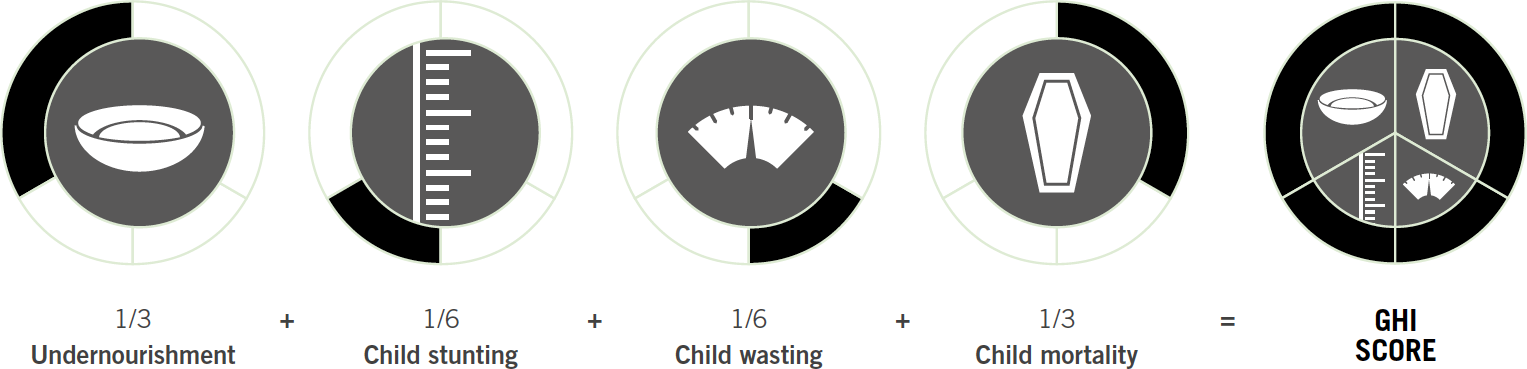
The Global Hunger Index (GHI) is a tool for comprehensively measuring and tracking hunger at global, regional, and national levels. GHI scores are based on the values of four component indicators:

Undernourishment: the share of the population with insufficient caloric intake.
Child stunting: the share of children under age five who have low height for their age, reflecting chronic undernutrition.
Child wasting: the share of children under age five who have low weight for their height, reflecting acute undernutrition.

Child mortality: the share of children who die before their fifth birthday, partly reflecting the fatal mix of inadequate nutrition and unhealthy environments.

India


≤ 9.9
low
10.0–19.9
moderate
20.0–34.9
serious
35.0–49.9
alarming
≥ 50.0
extremely alarming


In the 2024 Global Hunger Index, India ranks 105th out of the 127 countries with sufficient data to calculate 2024 GHI scores. With a score of 27.3 in the 2024 Global Hunger Index, India has a level of hunger that is serious.

India's GHI Score is based on the values of four component indicators:

  • 13.7%
    of the population is undernourished
  • 35.5%
    of children under five are stunted
  • 18.7%
    of children under five are wasted
  • 2.9%
    of children die before their fifth birthday

Note: — = Data are not available or not presented. See Table A.3 for provisional designations of the severity of hunger for some countries with incomplete data. *GHI estimates. Some countries did not exist in their present borders in the given year or reference period.


very high


high


medium


low


very low

Note: Data for GHI scores, child wasting, and child stunting are from 1998–2002 (2000), 2006–2010 (2008), 2014–2018 (2016), and 2019–2023 (2024). Data for undernourishment are from 2000–2002 (2000), 2007–2009 (2008), 2015–2017 (2016), and 2021–2023 (2024). Data for child mortality are from 2000, 2008, 2016, and 2022 (2024). See Methodology for the formula for calculating GHI scores and the sources from which the data are compiled. The boundaries and names shown and the designations used on maps on this page do not imply official endorsement or acceptance by Welthungerhilfe (WHH), Concern Worldwide or the Institute for International Law of Peace and Armed Conflict (IFHV).

Note: AfghanistanBangladeshBhutanIndiaMaldivesNepalPakistan, and Sri Lanka are in South Asia for the purposes of Figure 1.3, whereas the remaining countries are in East and Southeast Asia. Bhutan and Maldives are not shown, owing to insufficient data for the calculation of GHI scores. Existing data and provisional indicator values for these countries were included in the calculation of regional and global GHI scores. See Table A.3 regarding provisional designations of hunger severity for countries with incomplete data.

ABOUT THE GLOBAL HUNGER INDEX SCORES

Composition of the Global Hunger Index

The Global Hunger Index (GHI) is a tool for comprehensively measuring and tracking hunger at global, regional, and national levels. GHI scores are based on the values of four component indicators:

Undernourishment

Undernourishment: the share of the population with insufficient caloric intake.

Child Stunting

Child stunting: the share of children under age five who have low height for their age, reflecting chronic undernutrition.

Child Wasting

Child wasting: the share of children under age five who have low weight for their height, reflecting acute undernutrition.

Child Mortality

Child mortality: the share of children who die before their fifth birthday, partly reflecting the fatal mix of inadequate nutrition and unhealthy environments.

Based on the values of the four indicators, a GHI score is calculated on a 100-point scale reflecting the severity of hunger, where 0 is the best possible score (no hunger) and 100 is the worst. Each country’s GHI score is classified by severity, from low to extremely alarming.